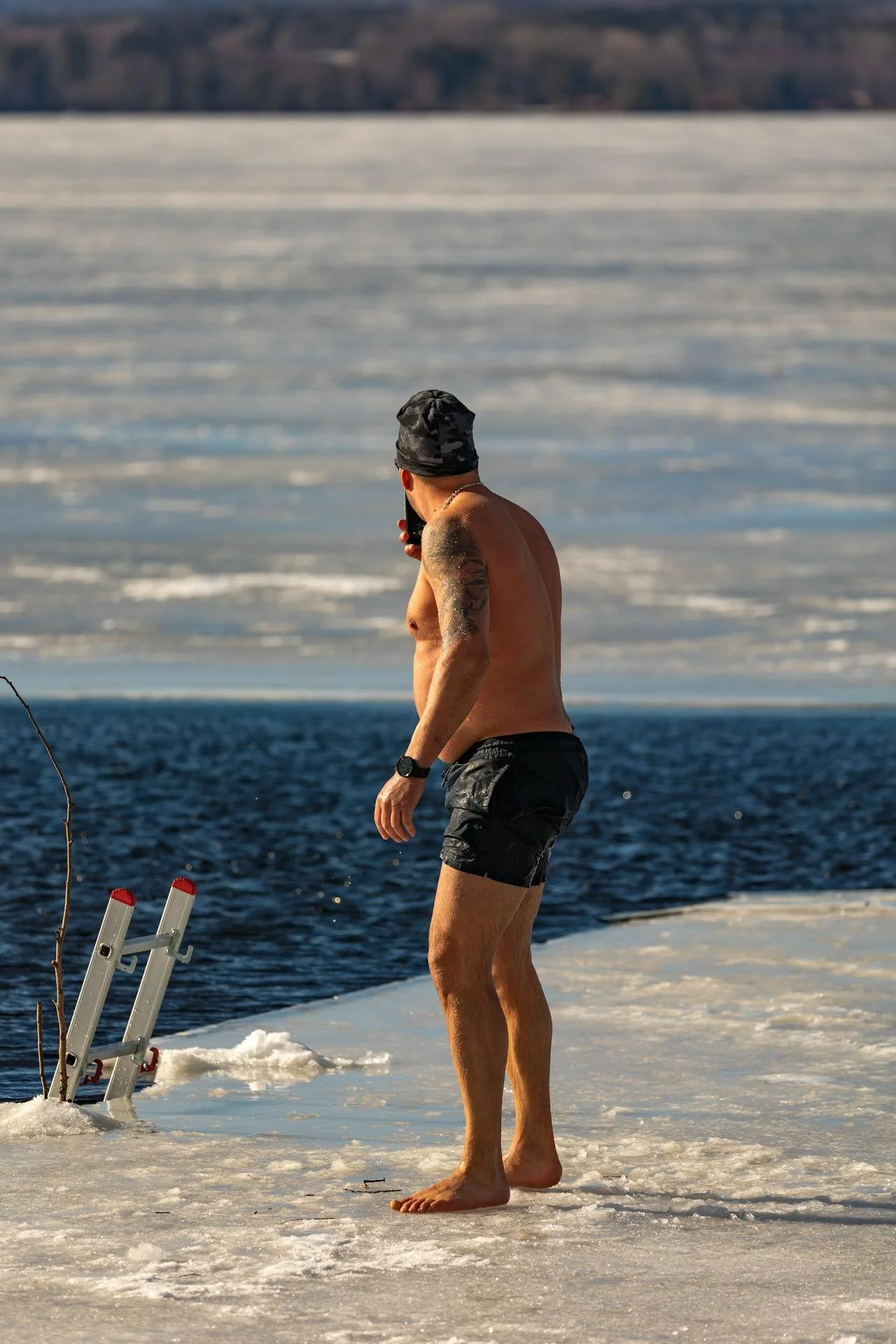
Cold plunging—the practice of submerging yourself into an ice tub—has emerged as a popular wellness trend in recent years, with many celebrities and influencers promoting its benefits via social media. Sales of cold plunge pools, meanwhile, are expected to surpass $550 million by 2034.
Since it is relatively new in terms of mainstream appeal, some are unfamiliar with what a cold plunge is. The practice has been around since as early as 3500 BCE. It was used by ancient Egyptians for injury treatment.
Below are some of the most common myths about cold plunges and the health benefits they offer.
Fact: Helps with Stress Reduction
Cold water immersion is great for stress reduction. When you submerge yourself in ice cold water, the body's nervous system perceives a threat and initiates a physiological reaction that stimulates the release of adrenalin and cortisol, two primary stress hormones. In a 2025 meta-analysis of studies on cold plunges, researchers noted a "significant reduction in stress" 12 hours after individuals performed CWI.
Myth: Risk of Hypothermia
While the risk of hypothermia increases the longer you stay submerged in ice cold water, it's generally safe to spend up to 10 minutes in a cold plunge. Beginners should start with 1 or 2 minutes at a time at higher temperatures (55-60 degrees Fahrenheit) and gradually work their way up until they feel comfortable with a 10-minute plunge at lower temperatures.
Older adults, individuals with heart conditions, and those who take medication that lowers their blood pressure should consult with a doctor before attempting a cold plunge.
Fact: Boosts the Immune System
It's a common old wives' tale that spending too much time in cold weather can cause you to catch a cold. The opposite may be true for people who regularly take cold plunges. While additional research is required, some studies have shown that cold plunges can improve the body's immune system by increasing white blood cell production.
Myth: Only for Athletes
Many professional athletes use CWI to speed up muscle recovery, but the practice provides several other health benefits for the general population. These include stress reduction, a boost in energy and focus, and improved sleeping habits.
Fact: Alleviates Muscle Soreness
Spending time in icy cold water after an intense workout can help to reduce inflammation and soreness, promoting quicker recovery time. This is because the water causes your blood vessels to constrict, limiting post-workout inflammation.
Myth: It Doesn’t Get Easier
Cold plunges do get easier, and your physiological stress response adapts. Each time may be a challenge, but learning to go beyond your perceived limitations can provide benefits that may transfer to other aspects of your life.