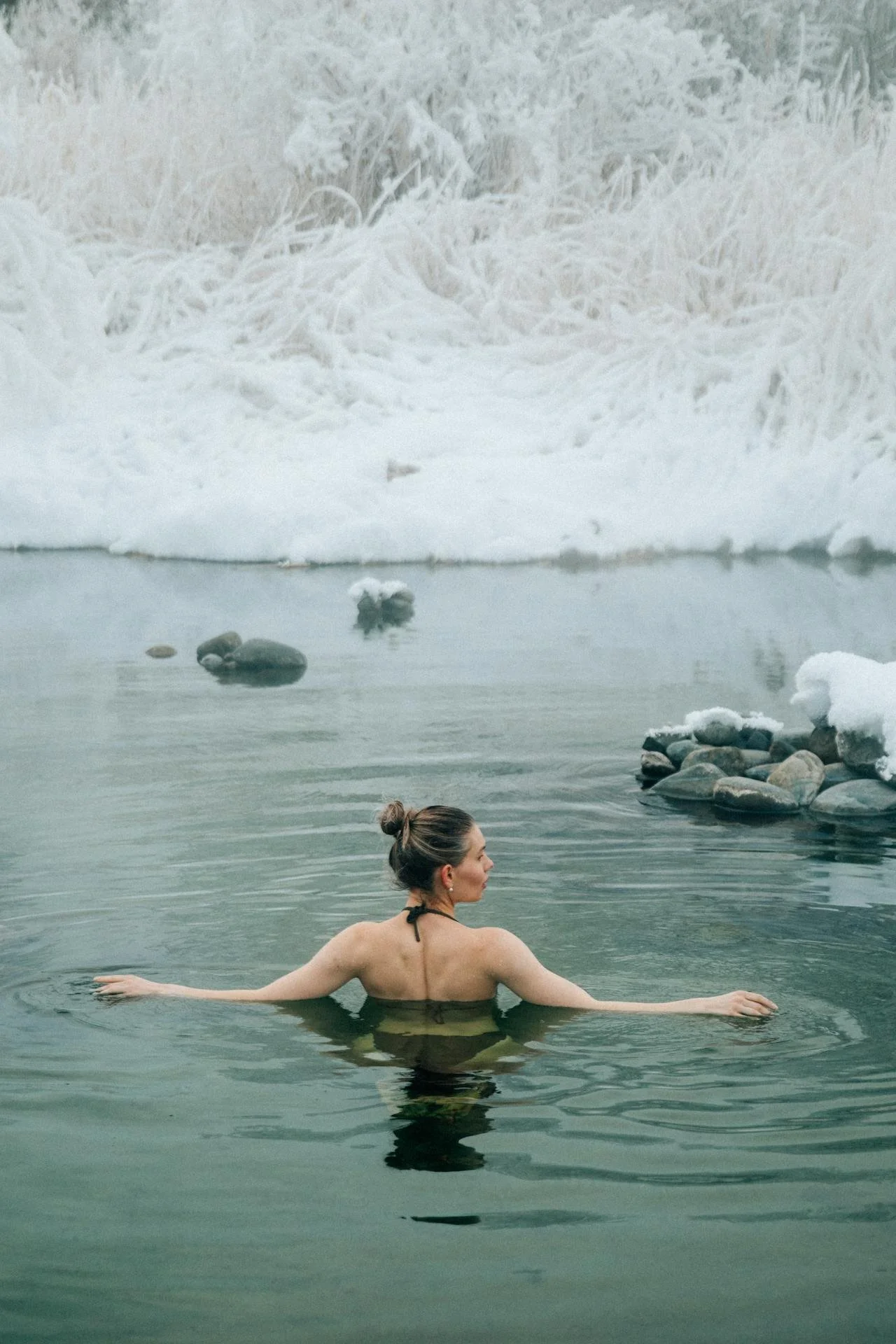
Cold water immersion (CWI) is an increasingly popular wellness trend, so much so that the worldwide cold plunge pool market is expected to exceed $650 million by 2033. While it might seem as though cold therapy is a relatively new cultural phenomenon, people from different cultures have been using cold—and hot—water for a variety of therapeutic purposes for centuries.
Usage in Ancient Egypt
The Edwin Smith Papyrus is an ancient Egyptian medical text believed to have been written around 3,500 BCE that, among other things, details the use of cold therapy for skin irritation. Of course, the ancient Egyptians also believed that cold water was a conduit for purification. They would often submerge themselves in the cold water of the Nile River to wash away sin and renew their souls.
Greek Thermalism
Plato and Hippocrates, pioneers in modern medicine, were among the Greek philosophers who studied cold therapy. This isn't surprising considering that their goddess of health, Hygieia, was typically illustrated with a serpent and a bowl of cold water. The ancient Greeks founded and were proponents of “thermalism,” a system that used water at different temperatures to alleviate muscle and joint pain.
Viking "Vinterbadning"
Cold therapy combined with exposure to heat via a sauna or hot tub has been a popular practice in Scandinavia for centuries, dating back to the Vikings. These resilient warriors would spend time in saunas, or "bastu," which they believed purified their souls. They often followed these sauna sessions with a dip in icy water, known as "vinterbadning" (winter bathing), to test their endurance and enhance mental clarity.
This centuries-old practice of alternating between heat and cold is known as contrast therapy, which is associated with benefits such as reduced muscle fatigue and pain, as well as improved joint mobility.
Native American "Inipi"
Similarly, several Native American tribes, including the Lakota and Sioux, have been practicing hot and cold therapy for generations. The "Inipi," the Lakota name for a sweat lodge, is a ceremony that involves prayer and purification of the soul via excessive sweating from the burning smoke of cedar and sage. Afterwards, participants take a cold plunge, symbolizing a renewal of the body and spirit.
Japanese Shinto Ritual
Japan's indigenous Shinto population has also long used CWI for the purification of the soul. They believe that bathing in natural cold springs or standing beneath a waterfall can purify "kegare" (impurities) and connect their soul with "kami" (divine spirits). This ritual is known as "Misogi." There are still regular Misogi purification ceremonies in Japan at the Shirayama-Hime Shrine, located at the base of the sacred Mount Hakusan near Kanazawa.